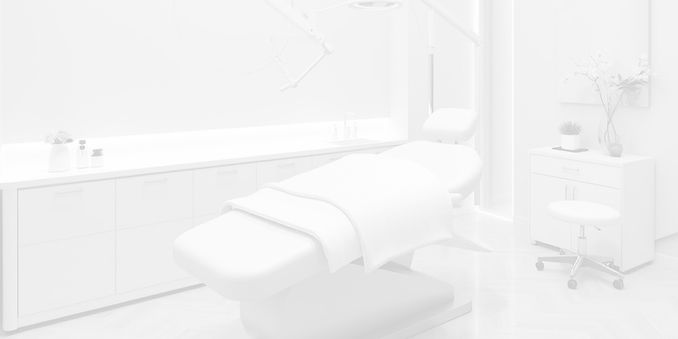


Treatment Couch Hygiene: A Practical Clinic Routine

A treatment couch can look clean and still be a weak point in your infection prevention routine. Treatment couch hygiene is not just about wiping down a surface between clients. It is about using the right products, allowing them to work properly and making sure every practitioner follows the same dependable process - even when the diary is full.
For aesthetics clinics, dental practices, physiotherapy rooms, beauty salons, tattoo studios and veterinary settings, the couch is one of the most frequently touched pieces of equipment in the room. It comes into contact with skin, clothing, hands, towels, equipment and occasionally body fluids. A clear routine protects clients, supports staff confidence and helps your professional space feel as safe as it looks.
Why treatment couch hygiene needs a routine
A quick wipe is only effective when it is part of a proper process. The product must be suitable for the couch material, used at the right concentration where applicable, and left wet for the contact time stated by the manufacturer. Wiping a surface dry immediately can mean the disinfectant has not had time to do its job.
There is also a practical business reason to get this right. Clients notice the details. Fresh couch roll, clean armrests, an uncluttered trolley and a practitioner who cleans down methodically all reinforce that their treatment is being carried out with care. This matters whether you are delivering injectables, massage, laser treatments, examinations or rehabilitation sessions.
The routine should be realistic enough to follow on a busy day. If it relies on too many steps, awkward storage or products that are constantly out of stock, standards can slip when appointments overrun. Keep essential cleaning and protective consumables close to the treatment area, without creating clutter or compromising clean storage.
Start with the couch manufacturer's guidance
Before choosing a disinfectant, check the couch manufacturer's cleaning instructions. Vinyl, polyurethane, faux leather and specialist medical upholstery can react differently to alcohol, bleach-based products, harsh detergents and repeated friction. The wrong product may cause cracking, discolouration or a sticky finish that becomes harder to clean properly.
Pay attention to areas that are easily missed: the underside of headrests, adjustment levers, side rails, remote controls, foot pedals and the base of the couch. If your couch has a face cradle or removable cushion, these need their own cleaning process too. Creases and seams deserve particular care, as debris and moisture can collect there.
Cleaning and disinfection are not always the same task. If there is visible soil, make the surface physically clean first. A disinfectant applied over residue may not perform as intended. Follow the product label and your workplace policy, particularly where there has been contact with blood or other body fluids.
The between-client cleaning routine
A consistent turnover routine reduces guesswork. It also means that anyone covering a room can work to the same standard. The exact process will depend on the treatment and your local risk assessment, but a practical routine should include the following:
Remove and safely dispose of single-use couch roll, disposable sheets, wipes and any other contaminated items.
Clean visible dirt or product residue from the couch, headrest, controls and any areas touched during the appointment.
Apply an appropriate surface disinfectant as directed, covering the required contact points and allowing the stated contact time.
Replace couch roll or a clean protective covering, then restock the immediate treatment area ready for the next client.
Use fresh gloves where they are required for the task, and remember that gloves do not replace hand hygiene. Gloves can transfer contamination from a used couch surface to clean stock, door handles, phones or a computer keyboard just as easily as bare hands.
If reusable towels or covers are part of your service, have a clear laundry process. Used linen should be handled as little as possible, kept separate from clean stock and laundered according to your workplace procedure. Do not place clean linen on a couch until the surface beneath it has been prepared.
Couch roll helps, but it is not the whole answer
Quality couch roll provides a practical barrier and makes room turnover faster. It is particularly useful where clients lie directly on the couch or where oils, gels, creams or hair products are used. However, couch roll does not protect the sides, backrest, head section or controls, and it can move during treatment.
Treat the roll as one layer of your hygiene process, not a substitute for cleaning. Replace it between every client, use enough to cover the contact area properly and avoid pulling it from a roll with contaminated gloves. A wall-mounted or couch-mounted dispenser can make this easier while keeping the roll clean and accessible.
For treatments involving a higher likelihood of splashes or fluid exposure, a suitable disposable waterproof barrier may be more appropriate than standard paper couch roll. The right choice depends on the procedure, the couch design and your risk assessment. It is worth having more than one option available rather than forcing one product to suit every appointment.
Choose products that work with your setting
A well-stocked treatment room does not need dozens of cleaning products. It needs a sensible, compatible range that staff understand and can use consistently. That often includes a suitable surface cleaner or disinfectant, disposable wipes or cloths, gloves, couch roll, clinical waste bags where relevant and hand hygiene supplies.
Avoid decanting products into unlabelled bottles. Staff need to know exactly what they are using, how long it must remain on the surface and any precautions required. Store products according to their instructions and check expiry dates as part of regular stock rotation.
Fragrance can make a room feel pleasant, but it should never be used to mask a poor cleaning process. Similarly, a product described as antibacterial is not automatically suitable for all infection control needs. Choose supplies based on their intended use, compatibility and manufacturer instructions, rather than marketing claims alone.
Build hygiene into the working day
Between-client cleaning is only one part of treatment couch hygiene. Start-of-day checks should confirm that the couch is clean, intact and fully stocked with protective coverings. At the end of the day, carry out a more thorough clean of the couch and the surrounding touchpoints, including stools, lamps, trolleys, handles and equipment stands.
Inspect upholstery regularly for tears, worn seams and cracks. Damaged surfaces are difficult to clean effectively and can harbour contamination. A temporary cover may help in the short term, but damaged equipment should be assessed and repaired or replaced promptly where it cannot be cleaned safely.
Keep a simple written procedure in the room or in your staff handbook. This is useful for new starters, locums and anyone working across multiple treatment spaces. It should state which products to use, where they are stored, the required contact times and what to do if a couch becomes contaminated during a procedure.
Where several people use the same room, a short cleaning checklist can provide useful accountability. It should support good practice rather than become paperwork for its own sake. If a process is repeatedly missed, look at the practical cause: is the product inconveniently stored, is turnaround time too tight, or is the team unclear about the correct method?
Plan stock around your busiest days
Running out of couch roll or suitable surface wipes at the end of a busy clinic is more than an inconvenience. It puts pressure on staff to improvise, delay appointments or use products that are not fit for purpose. Set minimum stock levels for the consumables you use every day and order before the last pack is opened.
Your usage will vary with appointment length, treatment type and client volume. A physiotherapy clinic may use more couch roll during a high-volume day, while an aesthetics practitioner may need additional protective barriers, wipes and waste supplies for particular procedures. Reviewing usage each month gives you a more reliable ordering pattern than relying on memory.
My Medical Supplies supports professional users with dependable everyday consumables and practical help when a regular item is difficult to source. The aim is simple: keep your treatment space prepared, so your clients are not affected by avoidable shortages.
A clean, well-prepared couch sets the standard before a treatment has even begun. Make the routine clear, keep the right supplies within reach and give every surface the attention you would expect in a professional setting.


Comments